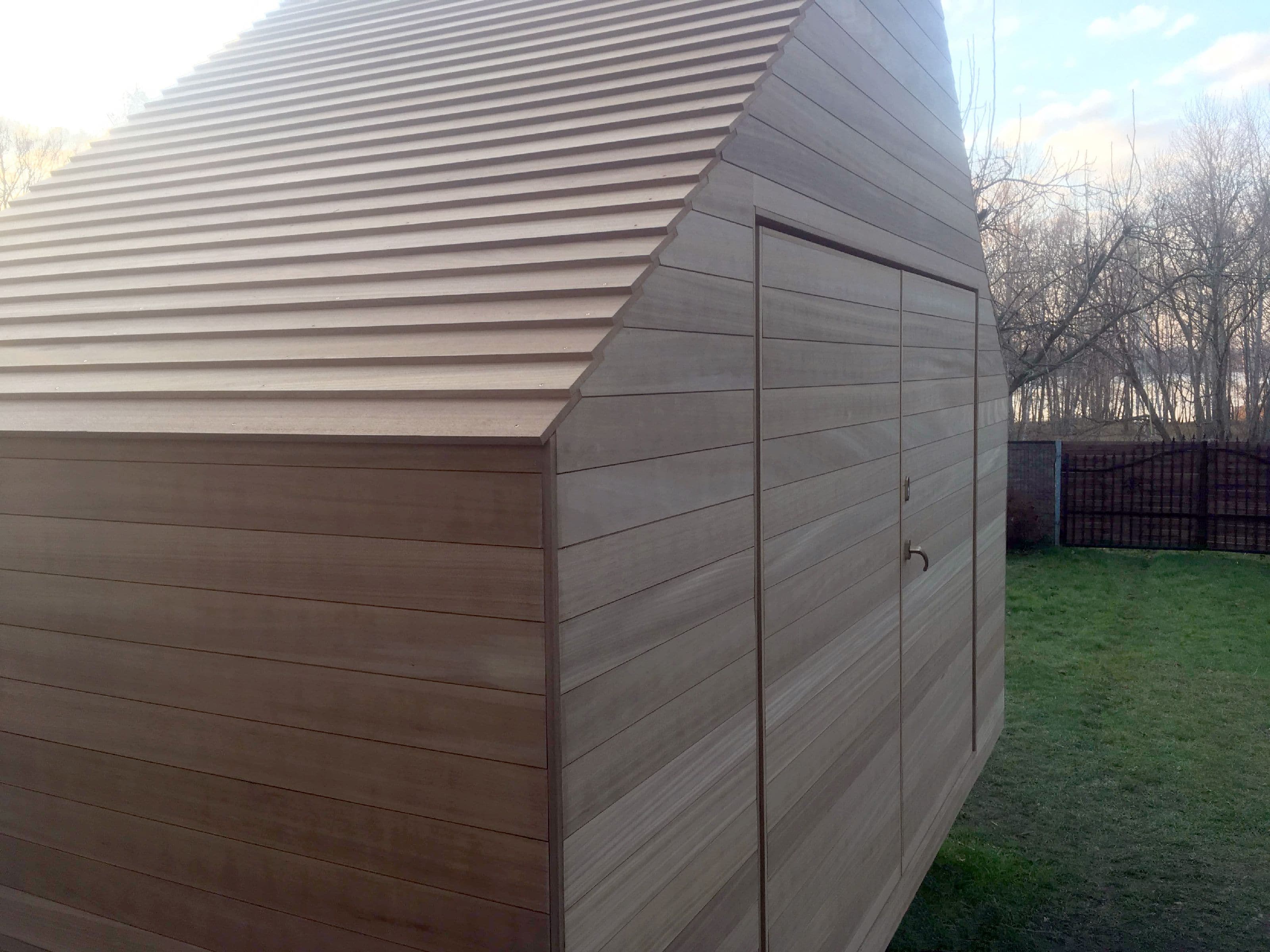
This is Balsam House
An Ultralight Mobile Living Lab
exploring Passive Microclimate Design, Adaptive Thermal Comfort, and Resilient Habitation
An Ultralight Mobile Living Lab
exploring Passive Microclimate Design, Adaptive Thermal Comfort, and Resilient Habitation
Balsam House investigates how architectural space reduction can enhance environmental performance without limiting comfort.
With a footprint of approximately 12 m², the prototype minimizes envelope surface area while maximizing spatial efficiency,
enabling a precise study of how an ultra-lightweight, bio-based envelope can regulate microclimate through passive strategies,
hygroscopic materials, and manual adaptability.
The project challenges the paradigm of sealed, energy-dependent buildings. It explores how architecture can actively mediate the relationship between inhabitants
and their environment, democratizing access to dignified, high-quality microclimates while significantly reducing resource consumption.
By combining a double-layer thermo-modified Abachi envelope, high-performance hybrid insulation,
and prioritizing occupant-operable passive solar strategies over mechanical conditioning,
it explores the boundaries of thermal stability and extremely low operational energy demand, while remaining legible, maintainable, and materially honest.
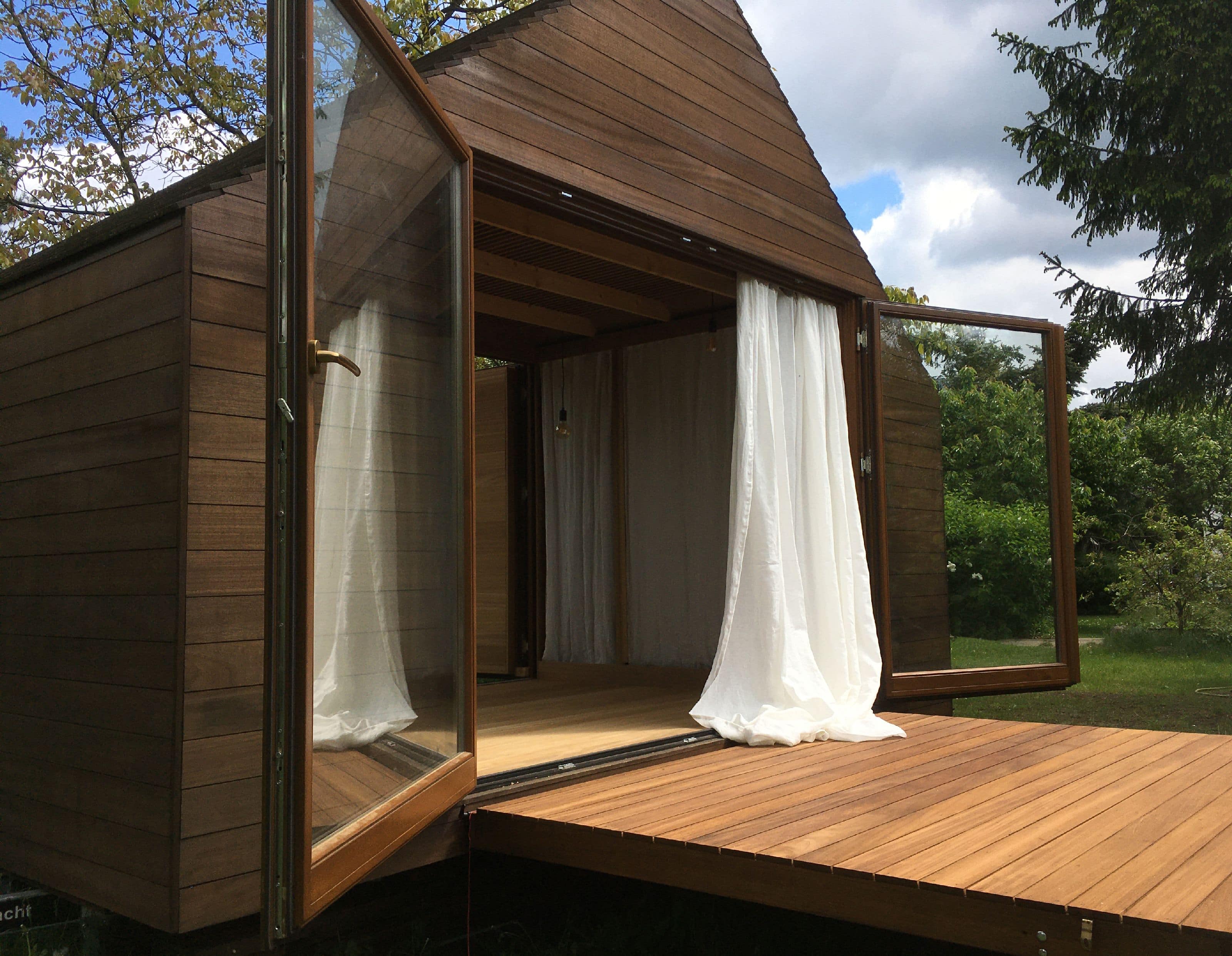
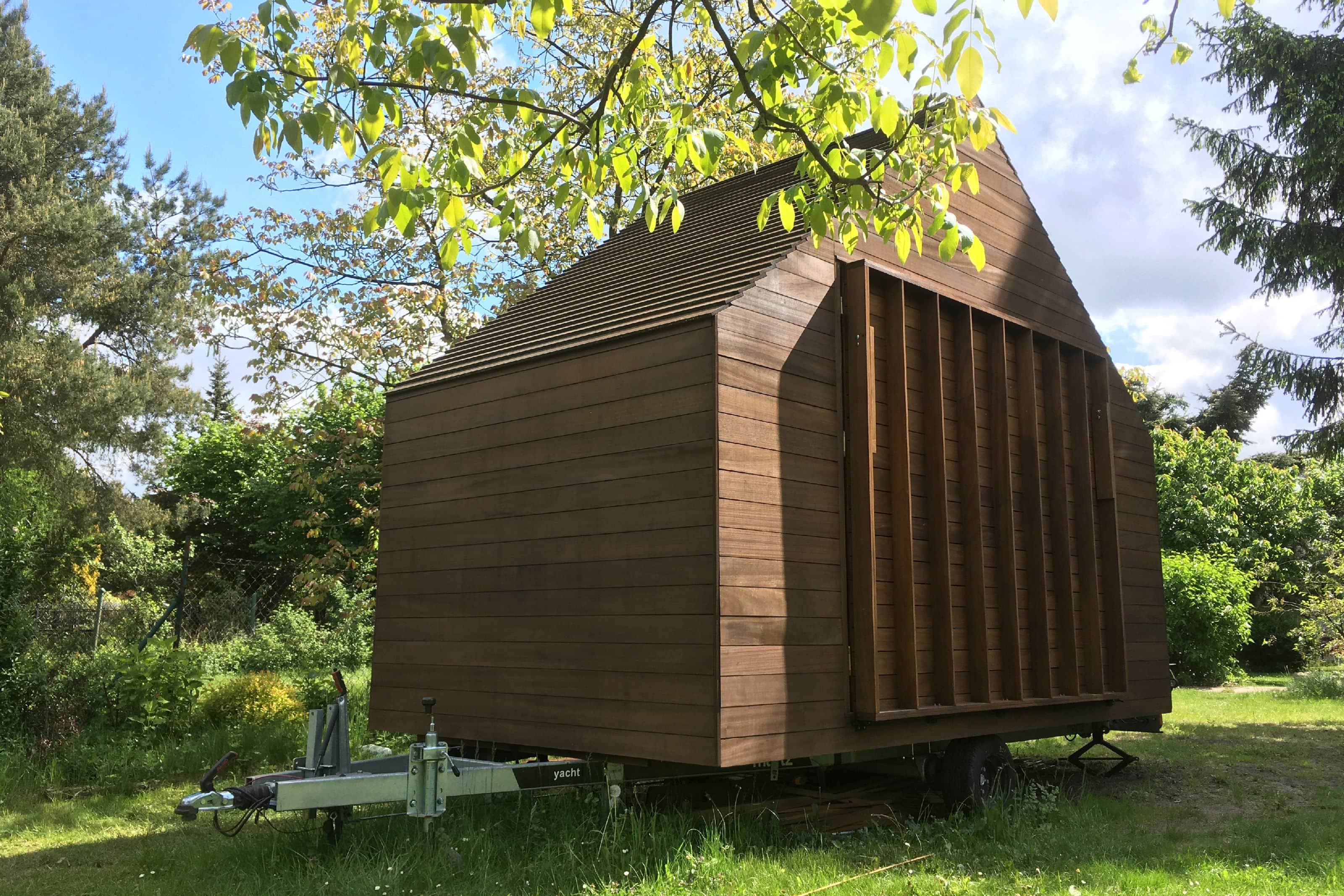
The design utilizes the principles of dynamic passive architecture: maximal, south-facing glazing on one side effectively heats the interior with solar energy on cold, sunny days (direct solar gain), while all other walls remain highly insulated, keeping the heat inside. The ease of house rotation allows for quick, kinetic orientation control, enabling immediate, intuitive isolation from excessive heat in summer conditions. Additionally, large operable openings on opposite sides enable cross-ventilation and natural cooling. Rather than isolating residents from the climate, the house functions as an environmental interface, requiring active participation. This kinetic capability restores human agency, encouraging inhabitants to "sail" their dwelling in response to daily and seasonal shifts, thereby re-learning the rhythms of local sun and wind. It serves as a platform to investigate user-centred adaptive comfort, where thermal stability is achieved through embodied behavioral interaction rather than mechanical dependence.
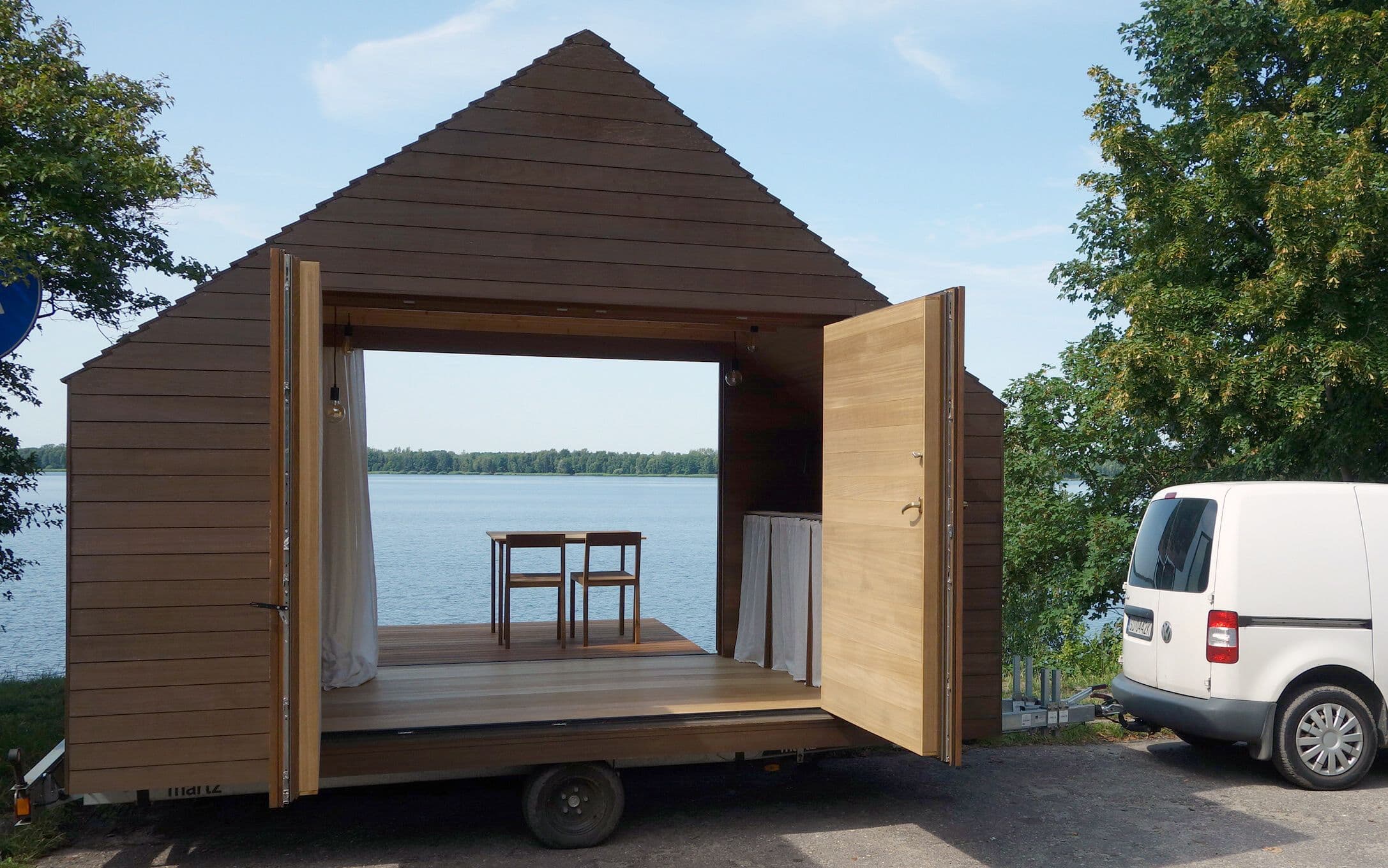
With a total gross vehicle weight of 1300 kg, Balsam House can be relocated using a standard Category B driving license and most common passenger vehicles, making mobile living accessible without specialized heavy equipment. It requires no permanent foundations, preserving the soil ecosystem and natural water retention. Mobility transforms the house from a fixed asset into a comparative research instrument and a resilient tool for inhabiting diverse climatic contexts. Crucially, it serves as a prototype for "Anticipatory Habitation" in vulnerable regions, shifting the focus from static, post-disaster relief to pre-emptive mobility. It offers a dignified alternative that allows inhabitants to adapt and relocate before environmental or climatic risks escalate, preserving not only their material history but also the vital social bonds and relationships that define a community. By empowering vulnerable communities to preemptively relocate, architecture becomes a proactive tool for collective resilience and the preservation of shared spatial ecologies.
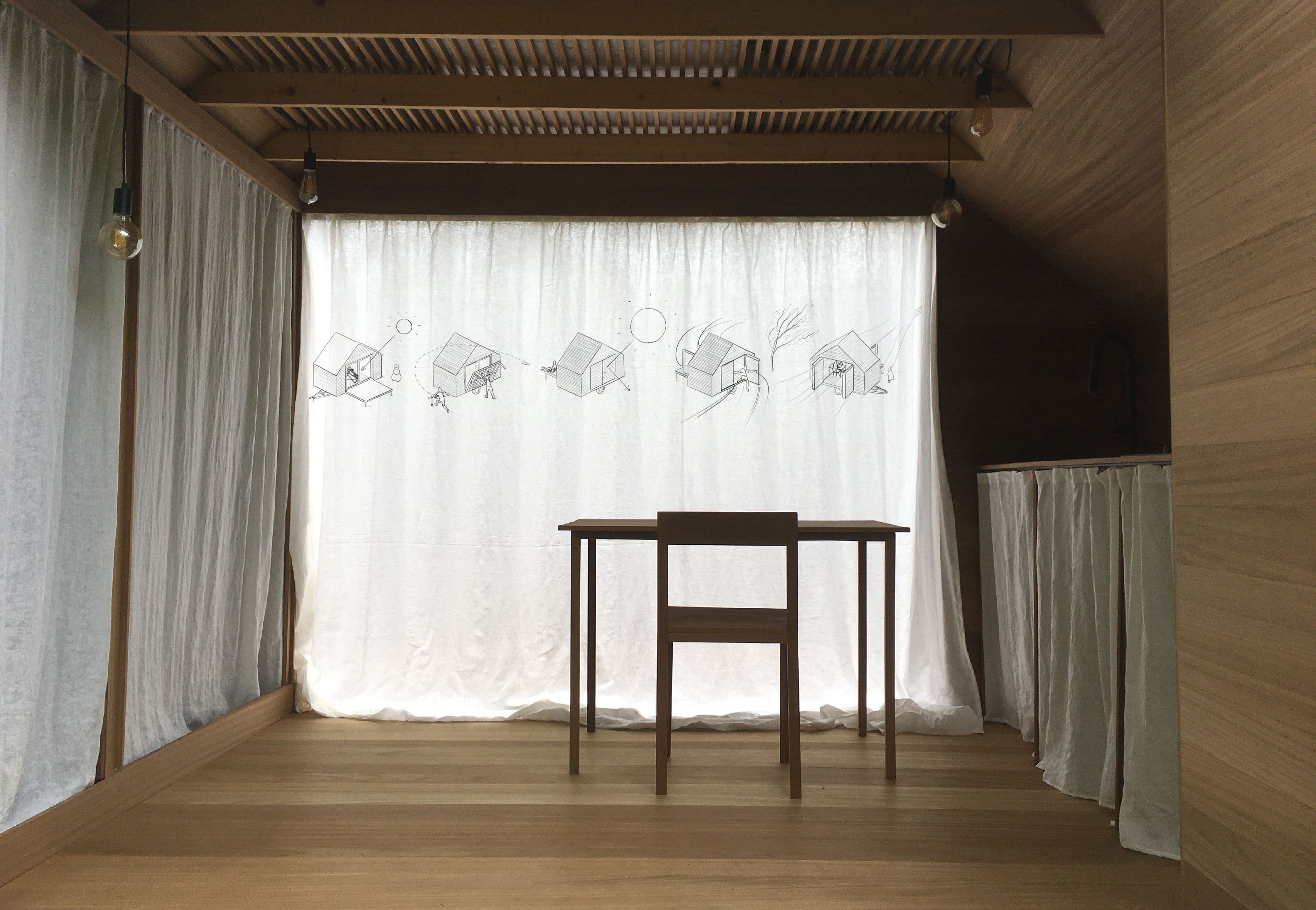
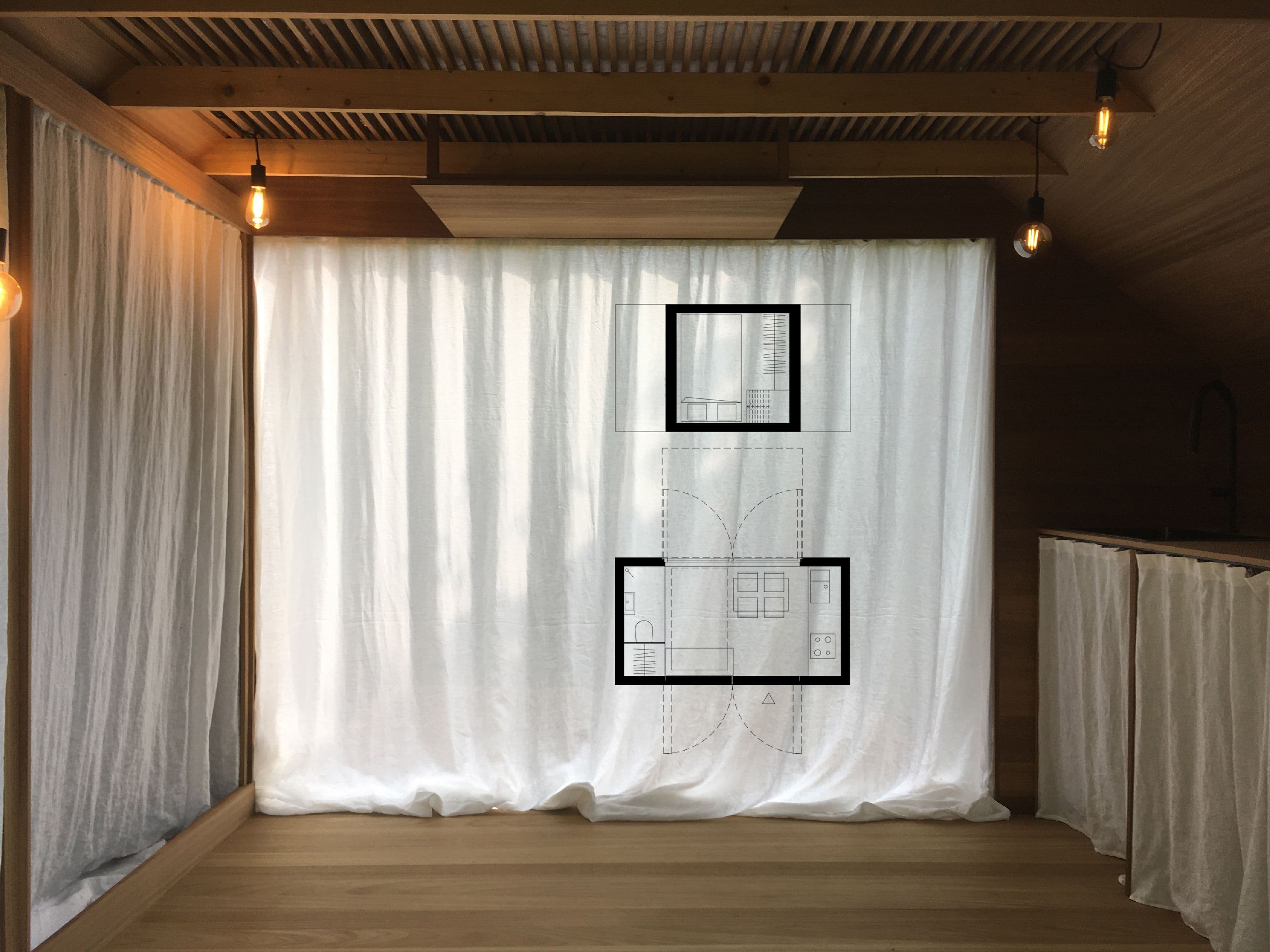
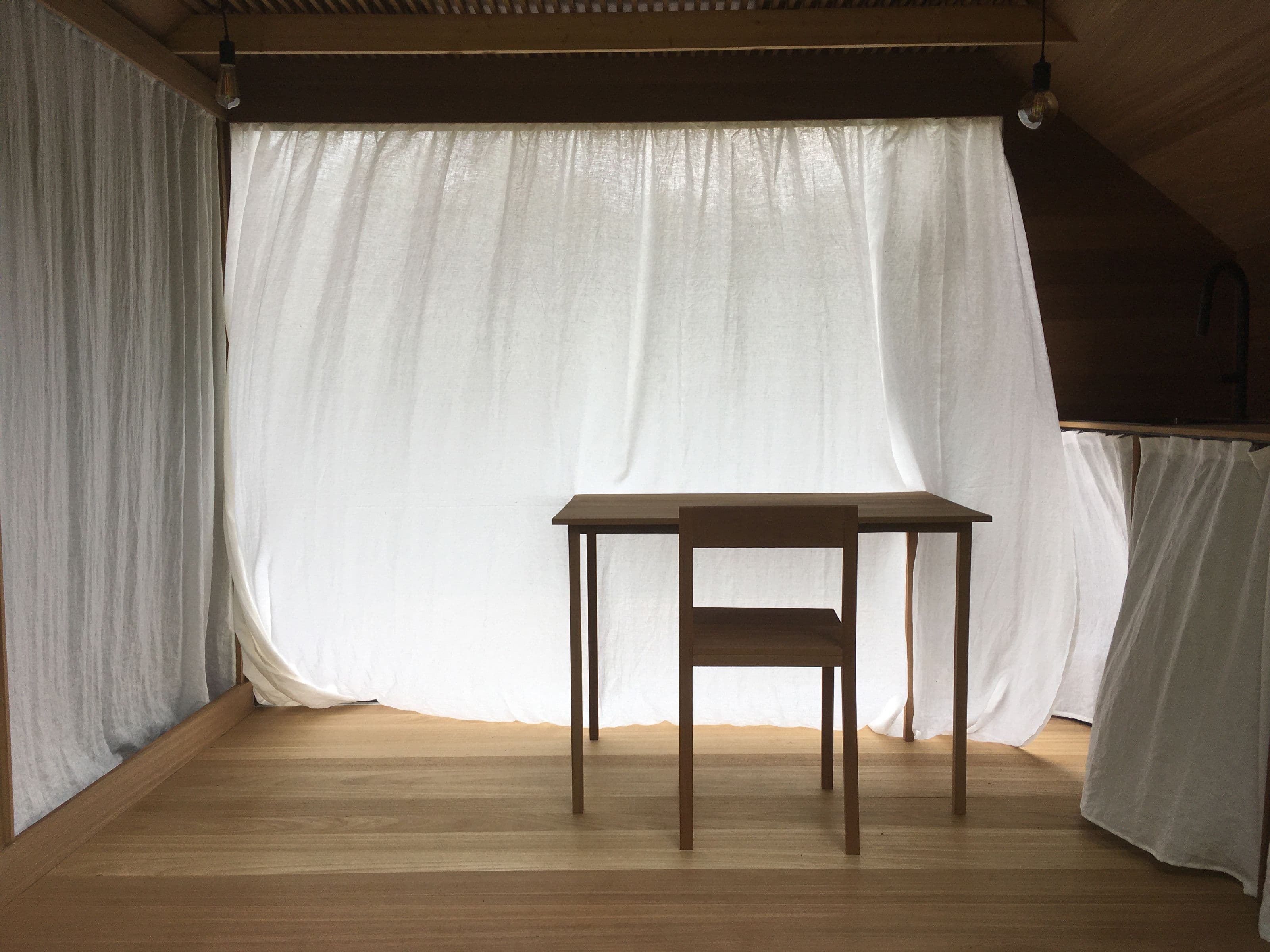
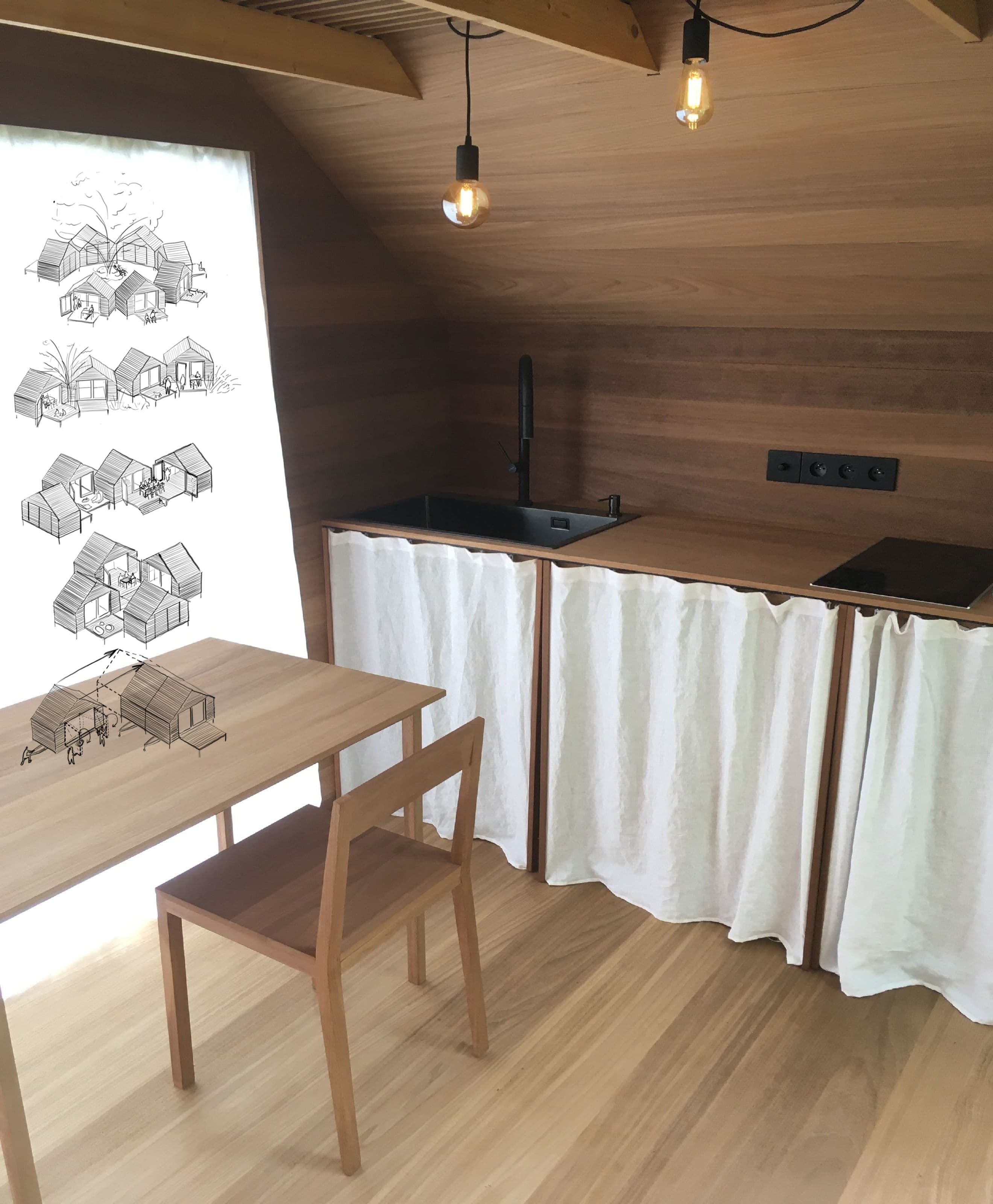
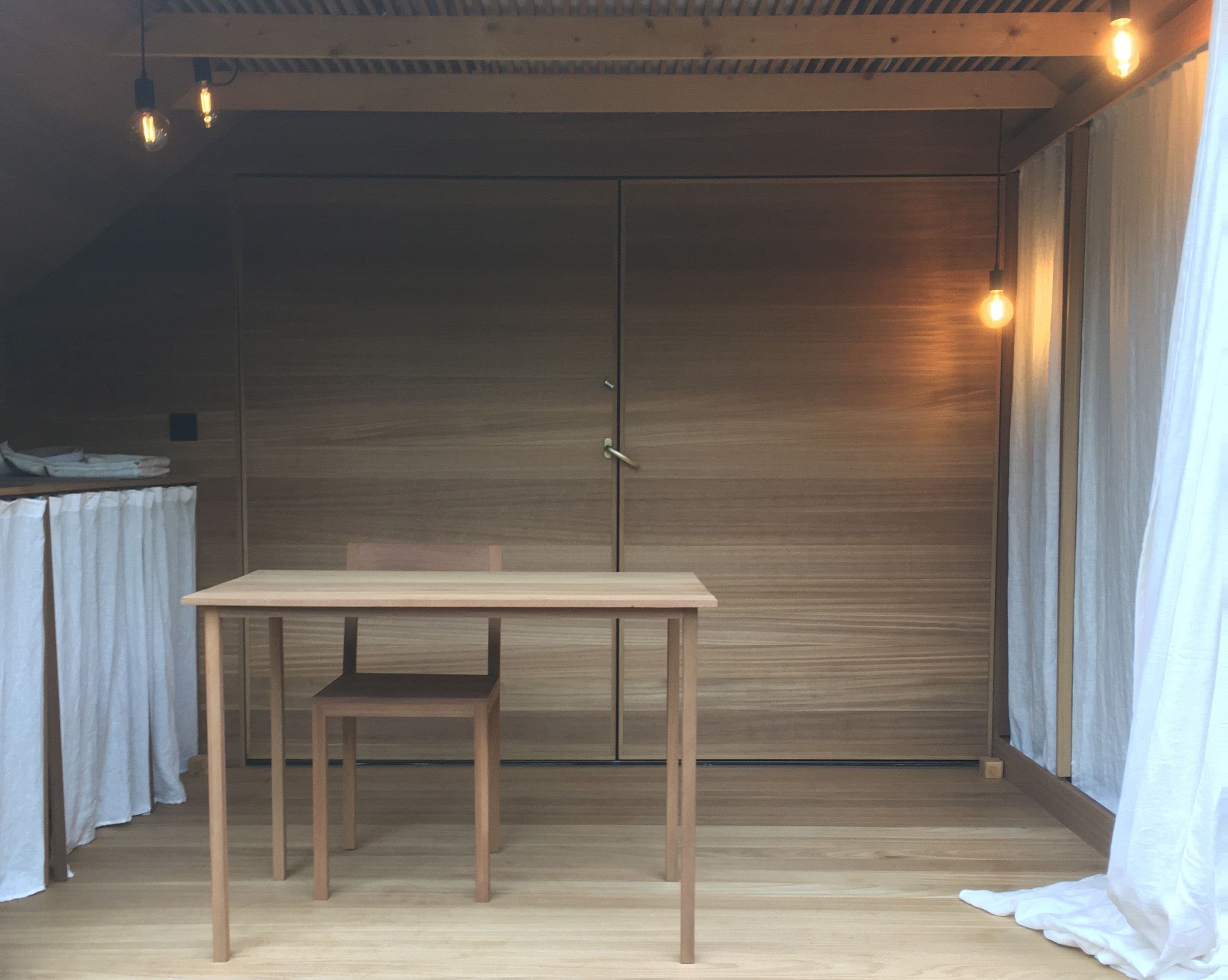
The interior is conceived as a highly calibrated spatial apparatus, where volumetric economy meets functional and phenomenological richness. Eliminating redundant circulation space, the design focuses on creating adaptable multi-purpose spaces featuring custom-crafted transformative furniture and massive glazed wall openings extending the living space to the exterior. It argues that true spatial luxury does not require vast square footage, but rather adaptability, high-quality materials, and a profound connection to the surrounding environment. It investigates how minimal space can support maximum programmatic diversity, from deep work to regeneration, without compromising the sensory quality of the dwelling experience.
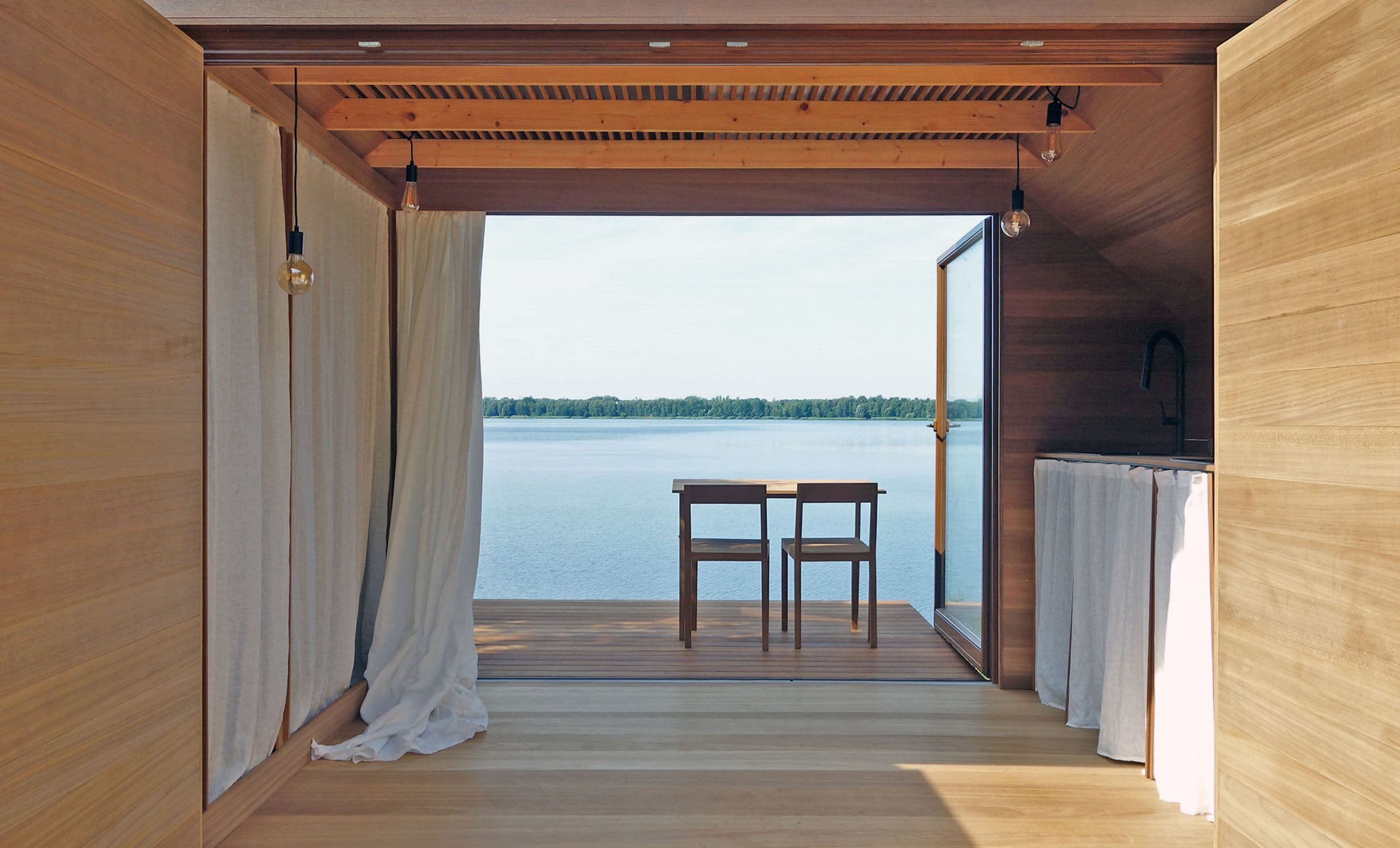
The large panoramic glazing acts as a curated frame, dissolving the boundary between interior and exterior. The folding terrace functions simultaneously as a living space extension, a solar shading device, window protection, and a thermal buffer. Large operable openings, translucent linen, and insulated hemp curtains serve as spatial thresholds. By fully opening to the landscape, the dwelling ceases to be an isolated box and becomes a participant in the local ecology. This permeability not only connects the inhabitant to the natural world but, when deployed in urban or community settings, encourages the formation of relational habitats, fostering neighborly interaction and a shared awareness of the environment.
Indoor Environmental Quality (IEQ) is achieved primarily through material performance, not just mechanics.
The envelope utilizes thermo-modified Abachi and natural linen—materials selected for their hygroscopic capacity to buffer humidity and regulate
indoor air quality naturally. These materials are inherently mold-resistant and antistatic, supporting a low-emission, low-allergen indoor
environment consistent with material-conscious building design.
This material ecology offers a profound sensory immersion: the balsamic scent,
acoustic softening, and tactile warmth of thermo-wood act as a form of sensory grounding, re-establishing a tangible connection to the
microclimate—a link often lost in hermetically sealed, mechanically conditioned spaces. While equipped with heat recovery ventilation featuring
high-performance F8 filter for smog and pollen prevention, the primary logic remains passive. Balsam House, with its diverse wall opening
combinations, orientation control, and mobility, is designed to enable maximal user-centric, adaptive microclimate control, encouraging a more
conscious and healthy interaction with the surrounding air.
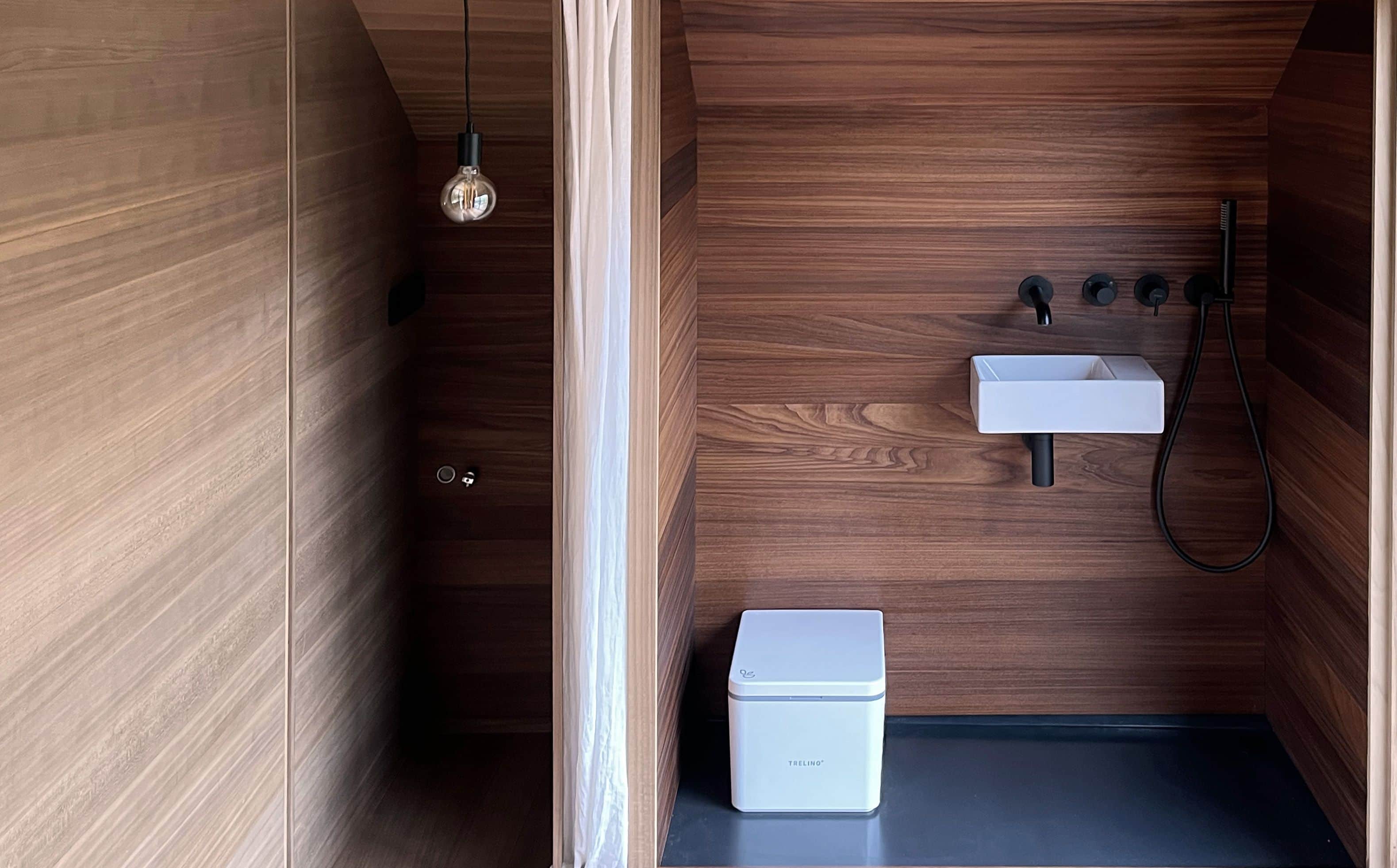
Balsam House merges contemporary building science with traditional craftsmanship and rigorous attention to detail. The project explores the performance of thermo-modified Abachi wood as a primary material. Its durability, dimensional stability, and resistance to biological degradation allow for construction without toxic chemical treatments, supporting research into low-impact, material-honest building systems. The dwelling is designed with hybrid infrastructural capacity: it can operate both off-grid and grid-connected. All water, sanitation, and energy systems (PV, water storage, and composting systems) are designed as detachable and reversible, allowing the house to function autonomously when required. This infrastructural independence is a core component of anticipatory habitation, ensuring continuous, dignified living conditions and spatial autonomy, even in resource-constrained contexts or locations detached from centralized grids. Supplementary low-energy graphene heating panels and layered reflective insulation systems are integrated to test their efficiency within ultra-light, low-mass constructions in cold climates.
Designed as an open, modular system, Balsam House adapts to changing life cycles and spatial requirements. Its modular logic allows for expansion, transforming from a solitary living unit into a multi-module habitat or workspace. This flexibility is rigorously resolved through custom-engineered connectors that ensure thermal continuity and airtightness without any construction work. Beyond individual adaptability, this scalability envisions the creation of dynamic, relational settlement patterns. By clustering units that can reorient toward or away from each other, the system facilitates the rapid deployment of dignified, community-oriented social habitats that support shared living ecologies.
The architectural form is reduced to an archetype, respecting the landscape rather than dominating it. The monolithic wooden skin ages gracefully, embedding the object into natural contexts. When grouped together, multiple units create naturally uniform, cohesive architectural habitats that engage respectfully with the scale of the environment. The simplicity of the form serves as a quiet backdrop for the active, behavioral engagement with nature and community that the dwelling promotes.
I am an architect, craftsman, and researcher working at the intersection of sustainable design, construction, and environmental performance. Through practice in Switzerland, France, Norway, and Poland, I have focused on architecture that is climate-responsive, materially honest, and human-centered. Balsam House emerged as a synthesis of this trajectory, not as a fixed solution, but as an adaptable and evolving research platform designed to test architectural hypotheses at full scale. It acts as a multi-dimensional probe to investigate how we can live more resiliently and relationally in an era of environmental crisis. The project enables long-term environmental monitoring and qualitative user feedback under real living conditions. I invite you to engage with this research, whether as a collaborator, observer, or inhabitant.
Balsam House is an ongoing architectural research project functioning as a full-scale living laboratory and an instrument for exploring the interdependence of climate and dwelling. The project is developed through carefully selected collaborations, research-driven commissions, as well as academic and institutional contexts. If you are interested in engaging with Balsam House as a case study, research platform, experimental dwelling, or research apparatus, please describe the intended context and research interest.